Industrial TEC Chip: Powering Reliable Temperature Control
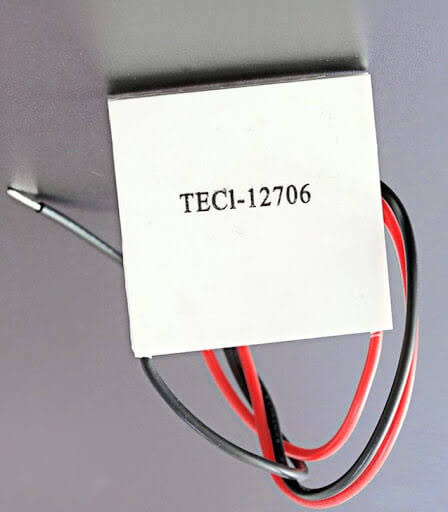
Temperature control is a critical requirement across many modern industries. From laser equipment and medical instruments to telecommunications and laboratory TEC Chip for sale devices, sensitive components often need stable and precise thermal management. An Industrial TEC Chip offers an efficient solid-state solution for controlling temperature without relying on traditional compressors, refrigerants, or moving mechanical parts. Its compact structure, reliable operation, and precise temperature regulation make it valuable for applications where consistent thermal performance is essential.
What Is an Industrial TEC Chip?
An Industrial TEC Chip is a thermoelectric component designed to transfer heat from one side of the device to the other when electrical current passes through it. This technology is commonly based on the Peltier effect. When electricity flows through semiconductor materials inside the chip, one surface absorbs heat while the opposite surface releases it.
By changing the direction of the electrical current, the heat-transfer direction can also be reversed. This allows a TEC Chip to provide both cooling and heating functions within the same device.
Industrial versions are generally designed for demanding environments where durability, thermal stability, and long operating life are important. Depending on the application, manufacturers can produce TEC chips in different sizes, cooling capacities, voltage ranges, and temperature-control specifications.
How Thermoelectric Temperature Control Works
The operation of a thermoelectric chip is based on semiconductor materials arranged between electrically conductive layers. When a direct current is supplied, heat moves through the semiconductor elements from the cold side toward the hot side.
The cold side can be attached to the component or chamber that needs cooling. The hot side must be connected to an appropriate heat dissipation system, such as a heat sink, fan, liquid cooling system, or another thermal management solution.
A temperature controller can regulate the electrical current supplied to the TEC chip. This makes it possible to maintain a target temperature with a high level of precision.
One important advantage is that thermoelectric technology does not require mechanical movement. Since there is no compressor or refrigerant circuit inside the chip, the system can be designed with fewer moving components and a compact footprint.
Why Industrial Applications Need Reliable Temperature Control
Many industrial components are sensitive to temperature changes. Excessive heat can reduce efficiency, affect measurement accuracy, shorten component life, or cause system failure. In some applications, even small temperature fluctuations can influence the performance of precision equipment.
Industrial TEC Chips help address these challenges by providing controlled heat transfer. They can be integrated into systems where temperature needs to remain within a specific operating range.
For example, optical equipment may require stable temperatures to maintain consistent laser performance. Electronic sensors may need thermal stabilization to improve measurement reliability. Laboratory instruments can also benefit from accurate temperature control during testing and analysis.
Key Benefits of Industrial TEC Chips
Precise Temperature Regulation
One of the main benefits of thermoelectric technology is its ability to provide accurate temperature control. By adjusting current, the cooling or heating output can be controlled according to system requirements.
This makes TEC technology suitable for applications where maintaining a stable temperature is more important than simply removing large amounts of heat.
Compact Design
Industrial TEC Chips are relatively small compared with many conventional cooling systems. Their compact form allows engineers to integrate temperature control directly into equipment with limited available space.
This is particularly useful for portable instruments, optical modules, electronic assemblies, and compact industrial systems.
No Moving Mechanical Parts
A TEC Chip operates without compressors, pumps, or other mechanical components inside the chip itself. This can reduce mechanical wear and vibration.
For precision equipment, reduced vibration can be especially valuable because unwanted movement may affect sensitive optical, measurement, or electronic components.
Heating and Cooling Capability
Unlike systems designed only for cooling, thermoelectric devices can often provide both cooling and heating. Reversing the electrical polarity changes the direction of heat transfer.
This two-way capability can simplify temperature management in equipment that needs to operate under changing environmental conditions.
Flexible Installation
TEC Chips can be installed in different thermal configurations depending on the application. Engineers can combine them with heat sinks, fans, liquid cooling plates, thermal sensors, and electronic controllers.
This flexibility allows manufacturers to develop customized thermal management systems for different industrial requirements.
Common Industrial Applications
Industrial TEC Chips are used across a wide range of technologies.
Laser and Optical Equipment
Laser diodes and optical systems can be highly temperature-sensitive. A TEC Chip can help maintain a stable operating temperature, supporting consistent optical performance and improving system reliability.
Telecommunications
Optical communication modules often generate heat and may require controlled temperatures for stable operation. Thermoelectric cooling can be integrated into communication equipment where precise thermal management is required.
Medical and Laboratory Equipment
Medical analyzers, diagnostic instruments, and laboratory systems may depend on stable temperatures for accurate operation. TEC technology can provide localized heating or cooling without requiring a large refrigeration system.
Electronics and Sensors
Electronic components and sensors can experience performance changes as their temperature varies. A thermoelectric system can stabilize critical components and help maintain predictable operating conditions.
Industrial Measurement Systems
Precision measurement equipment often requires controlled thermal conditions. TEC Chips can help reduce temperature-related variations and support consistent measurements.
Selecting the Right TEC Chip
Choosing the correct Industrial TEC Chip requires careful consideration of several technical factors. Cooling capacity is one of the most important specifications. The chip must be capable of moving the required amount of heat under the intended operating conditions.
Voltage and current requirements should also match the available power supply and controller. The maximum temperature difference, operating temperature range, chip dimensions, and thermal resistance are additional factors that should be evaluated.
Engineers should also consider how heat will be removed from the hot side. Even a high-performance TEC Chip cannot operate effectively if the heat generated on its hot side is not dissipated properly.
Quality and manufacturing consistency are equally important for industrial applications. Buyers looking for a TEC Chip for sale should evaluate specifications, testing standards, expected operating life, and supplier experience before selecting a product.
Improving TEC System Efficiency
Although TEC technology provides precise temperature control, system design has a major effect on efficiency. The hot side should have an effective heat dissipation mechanism. A properly designed heat sink or liquid cooling system can significantly improve thermal performance.
Good thermal interfaces are also important. Appropriate thermal materials can reduce resistance between the TEC Chip and the surfaces it contacts.
Electrical control should be optimized as well. Supplying unnecessary current can increase power consumption and create additional heat. A suitable temperature controller can adjust the TEC output according to real-time temperature measurements.
Insulation around the cooled area may further improve performance by reducing unwanted heat transfer from the surrounding environment.
The Future of Industrial Thermoelectric Cooling
As industrial equipment becomes smaller, smarter, and more precise, the demand for efficient thermal management is expected to continue growing. Thermoelectric technology can support these trends because of its compact size, precise control, and flexible operation.
Advancements in semiconductor materials, manufacturing techniques, temperature sensors, and digital controllers may further improve the performance of TEC systems. Manufacturers are also developing solutions tailored to specific industries and specialized thermal requirements.
The integration of TEC technology with automated monitoring systems can provide more intelligent temperature management. Such systems can continuously measure temperature and adjust cooling or heating output to maintain the desired conditions.
Conclusion
An Industrial TEC Chip provides a practical solution for applications that require reliable, precise, and compact temperature control. Its solid-state operation, reversible heating and cooling capability, and flexible installation make it suitable for optical equipment, telecommunications, laboratory instruments, electronics, sensors, and industrial measurement systems.
Selecting the right chip requires attention to cooling capacity, temperature range, electrical specifications, physical dimensions, and heat dissipation requirements. With proper system design and thermal management, TEC technology can deliver stable performance while supporting modern industrial equipment.
As industries continue to demand smaller and more precise systems, thermoelectric temperature control will remain an important technology for maintaining reliable operating conditions and protecting temperature-sensitive components.
