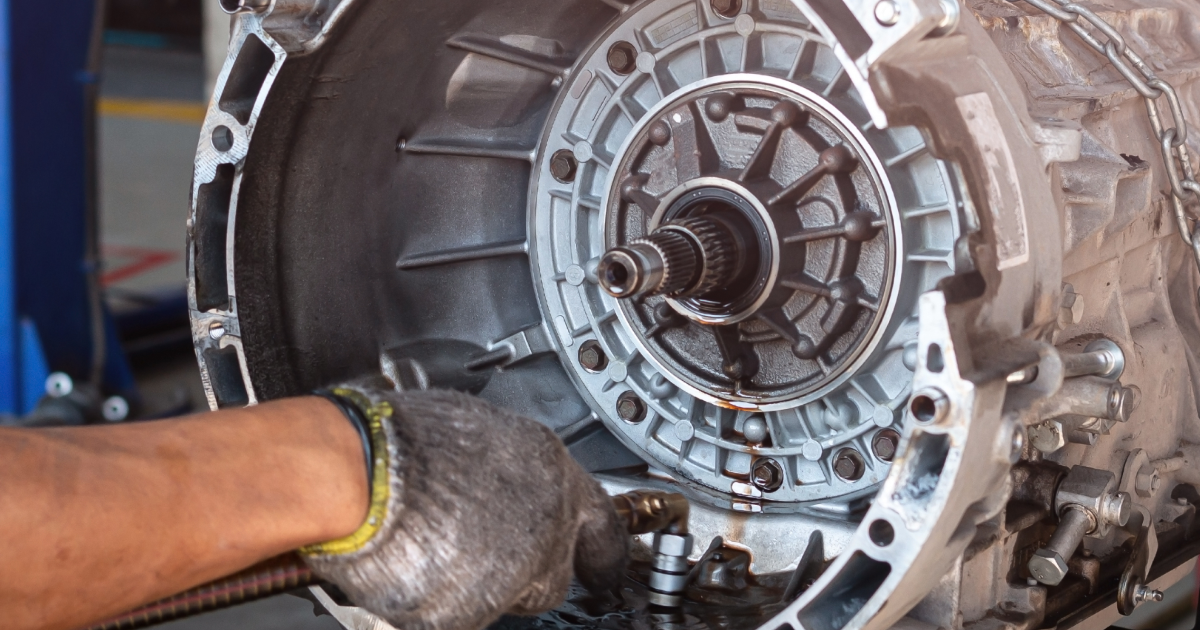
Transmission Replacement Phoenix: A Complete Guide to Costs, Options, and Benefits
When your vehicle begins slipping gears, hesitating during acceleration, or leaking dark red fluid onto your driveway, you are likely facing an issue with your transmission. As one of the most complex mechanical systems in any automobile, the transmission is responsible for transferring power from your engine to your wheels. For drivers navigating the desert climate, dealing with a failing system requires quick action. Securing a reliable transmission replacement Phoenix vehicle owners can trust is essential to maintaining daily safety, mobility, and vehicle longevity.
This complete guide breaks down everything you need to know about replacing a transmission in the Valley of the Sun—from understanding local cost factors and replacement options to recognizing the ultimate long-term benefits.
Understanding Transmission Replacement in the Phoenix Climate
Driving in Arizona presents a unique set of challenges for motor vehicles. High summer temperatures severely test automotive cooling systems, and your transmission is particularly vulnerable to extreme heat.
Why Heat Is a Major Threat to Transmissions
Transmission fluid acts as both a lubricant and a coolant. In severe desert heat, transmission fluid degrades much faster than in moderate climates. When heat breaks down the fluid’s viscosity:
- Internal friction increases rapidly across gears and clutch plates.
- Seals harden, crack, and begin to leak fluid.
- Internal components warp, wear out, or fail prematurely.
If fluid breakdown leads to catastrophic internal damage, a total transmission replacement Phoenix service becomes the safest and most cost-effective long-term solution.
Options for Transmission Replacement in Phoenix
When your mechanic confirms that a simple repair or fluid flush will not fix the problem, you generally have three primary paths to consider for replacement.
Rebuilt Transmission
A rebuilt transmission involves removing your existing unit, disassembling it completely, cleaning all parts, and replacing only the damaged or worn components with new ones.
- Pros: Often cheaper than buying brand-new; reuses original parts that are still in good condition.
- Cons: Labor-intensive; performance quality depends entirely on the skill of the individual technician performing the rebuild.
Remanufactured Transmission
A remanufactured transmission is restored to original factory specifications in a controlled factory environment. Every worn component is replaced, and the unit is tested on a dynamometer to match factory standards.
- Pros: Highly reliable; usually comes with robust nationwide warranties; often incorporates factory engineering updates to fix original design flaws.
- Cons: Slightly higher price tag than a local rebuild.
Used Transmission
Sourced from salvage yards or donor vehicles, a used transmission is installed directly into your car without internal reconditioning.
- Pros: The lowest upfront purchase price.
- Cons: High risk; history and internal wear of the donor unit are often unknown; shorter or non-existent warranties.
Costs Breakdown for Phoenix Drivers
The cost of a transmission replacement Phoenix drivers encounter varies depending on several critical variables. On average, total replacement costs range between $2,500 and $6,000+, including parts and labor.
Factors Influencing Your Final Price
Vehicle Make and Model
Standard domestic sedans and light trucks are generally the least expensive to service because parts are widely available. Imported, luxury, or specialized European vehicles require specialized tools, imported parts, and certified labor, driving costs higher.
Transmission Type
- Manual Transmissions: Less mechanically complex, making them cheaper to replace ($1,500 to $3,000).
- Automatic Transmissions: Complex hydraulic and electronic systems increase component and labor expenses ($2,500 to $4,500).
- Continuously Variable Transmissions (CVT): Highly specialized units that frequently require complete assembly replacement ($3,000 to $5,000+).
Labor Rates in the Phoenix Area
Labor costs in the Valley typically range from $120 to $180 per hour. Replacing a transmission takes between 6 to 10 hours of specialized labor, depending on drivetrain layout (front-wheel drive, rear-wheel drive, or all-wheel drive).
Key Signs You Need a Transmission Replacement
Identifying warning signs early can prevent you from getting stranded on the highway in extreme temperatures.
Common Symptoms of Failure
- Slipping Gears: Your engine revs higher, but the vehicle fails to accelerate properly or unexpectedly drops out of gear.
- Harsh or Delayed Shifting: You feel a severe clunk or jerk when moving into drive or shifting between gears.
- Unusual Noises: Whining, clanking, or humming sounds coming from under the cabin while in neutral or drive.
- Leaking Fluid: Bright red, dark brown, or burnt-smelling fluid pooling beneath your parked car.
- Illuminated Warning Lights: A Check Engine Light or Transmission Temperature Warning light appears on your dashboard.
Major Benefits of Professional Transmission Replacement
While facing a major repair can be stressful, investing in a high-quality transmission replacement Phoenix service offers substantial immediate and long-term advantages.
Restored Vehicle Performance and Smoothness
A fresh transmission restores seamless acceleration, precise shifting, and optimum engine torque delivery. Driving through city traffic or climbing mountain passes becomes smooth and predictable once again.
Improved Fuel Efficiency
When internal gears slip or drag, your engine works twice as hard and consumes significantly more fuel. Replacing a degraded unit allows your drivetrain to operate at peak efficiency, saving you money at the pump.
Enhanced Road Safety and Reliability
A sudden transmission failure while driving on busy Phoenix freeways can create dangerous situations. Replacing a failing transmission removes the anxiety of sudden breakdowns, ensuring reliable daily commuting.
Peace of Mind with Strong Warranties
Reputable auto repair facilities offer comprehensive warranty packages on remanufactured and rebuilt units. Many warranties cover parts and labor for 3 years or 100,000 miles, protecting your financial investment.
Higher Resale Value
A vehicle with a fresh, fully documented transmission replacement holds significantly higher resale value on the market compared to a vehicle with a slipping or questionable drivetrain.
How to Choose the Right Phoenix Auto Repair Shop
Selecting an experienced, reputable auto repair center makes all the difference in the quality of your installation.
What to Look For in a Service Center
- ASE-Certified Technicians: Ensure the shop employs Automotive Service Excellence (ASE) certified specialists with specific drivetrain expertise.
- Transparent Estimates: Request a clear, written estimate detailing parts, labor, fluid costs, and shop fees before work begins.
- Warranty Coverage: Choose a facility that stands behind their work with a strong, nationwide warranty package.
- Positive Local Reviews: Look for established local shops in Phoenix with verified customer feedback emphasizing honesty and clear communication.
Final Thoughts
A failing transmission does not mean you have to buy a new vehicle. By scheduling a timely transmission replacement Phoenix drivers can restore their car’s reliability, safety, and performance for years to come. Whether you choose a rebuilt or factory remanufactured unit, working with qualified local mechanics ensures your car is ready to handle both daily drives and the demanding desert heat.
