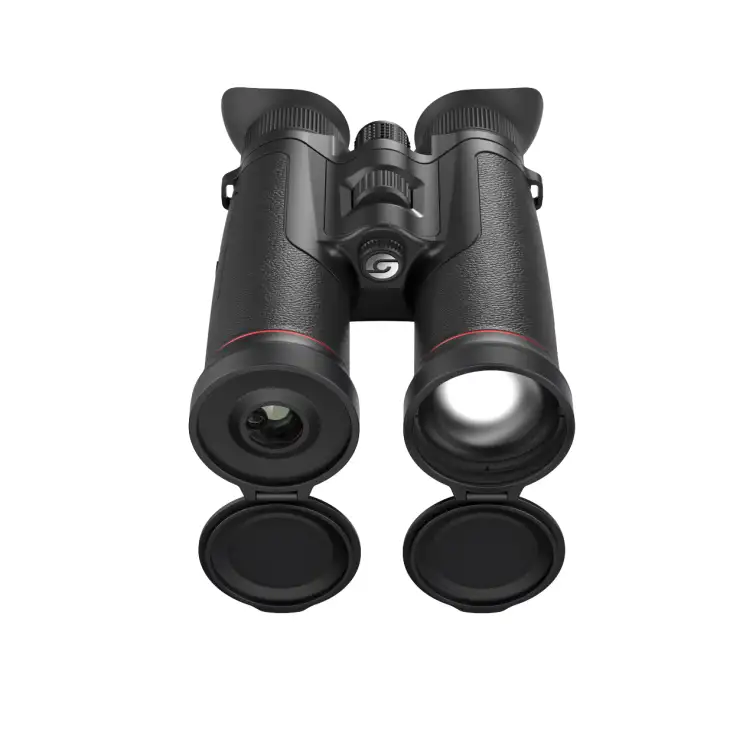
Tips for Choosing the Top Thermal Binoculars to Boost Hunting Results
Hunting is an age-old pursuit that combines skill, patience, and the right equipment. Among the modern tools that have revolutionized the hunting experience, thermal binoculars stand out as a game-changer. These devices allow hunters to detect heat signatures from animals, providing a clear view even in total darkness or dense foliage. Selecting the best thermal binoculars for hunting, however, requires careful consideration of multiple factors to ensure accuracy, reliability, and overall hunting success.
Understanding Thermal Binocular Technology
Thermal binoculars detect infrared radiation emitted by objects, converting it into a visible image on the display. Unlike night vision devices, which amplify existing light, thermal imaging works in complete darkness, through smoke, fog, or dense vegetation. This capability makes thermal binoculars invaluable for tracking elusive game animals.
When choosing the best thermal binoculars for hunting, understanding the technology behind these devices is crucial. Core components include the thermal sensor, display resolution, lens quality, and refresh rate. The thermal sensor, usually measured in microns, determines how finely the binoculars detect temperature differences. A higher resolution sensor provides a clearer and more detailed image, allowing hunters to distinguish animals from their surroundings more easily.
Key Features to Consider
Selecting the best thermal binoculars for hunting involves evaluating several features that impact performance in the field.
1. Detection Range
The detection range indicates how far the binoculars can spot a heat signature. For hunting, a longer detection range provides a significant advantage, allowing hunters to locate game from a safe distance. High-quality thermal binoculars can detect large animals up to 1,000 yards away under optimal conditions.
2. Resolution
Resolution affects image clarity and detail. Both sensor resolution and display resolution are important. Higher resolutions allow hunters to see finer details, making it easier to identify species, track movements, and avoid misidentification. For the best thermal binoculars for hunting, look for sensors with at least 320×240 pixels or higher.
3. Lens Quality
The lens collects infrared radiation and determines the field of view. Larger lenses gather more infrared energy, providing brighter images, but may also increase the weight of the binoculars. A balance between lens size and portability is key, depending on whether you are pursuing deer in dense forests or coyotes across open plains.
4. Refresh Rate
The refresh rate, measured in hertz (Hz), shows how quickly the image updates on the display. A higher refresh rate, typically 30 Hz or above, ensures smooth tracking of moving animals. This is particularly important when following fast-moving game or observing animals in real time.
5. Ergonomics and Durability
Comfortable handling and rugged construction are essential for outdoor use. Look for thermal binoculars with a lightweight design, non-slip grips, and water-resistant or waterproof housing. Shock-resistant construction ensures the device can withstand falls, bumps, and harsh environmental conditions.
6. Battery Life
Thermal binoculars consume significant power, especially when used continuously in the field. Extended battery life is crucial for long hunting sessions. Some models offer rechargeable lithium-ion batteries, while others allow quick swapping of standard batteries. Choosing a model that provides at least 5–8 hours of continuous use is ideal.
7. Additional Features
Modern thermal binoculars often include built-in rangefinders, Wi-Fi connectivity, video recording, and customizable color palettes. Rangefinders help estimate distances accurately, while video capabilities allow hunters to review hunts or document wildlife encounters. Color palettes enhance image interpretation, highlighting warm-blooded animals against cooler backgrounds.
Choosing the Right Size and Weight
Portability is a major factor for hunters who traverse rugged terrain. Compact thermal binoculars are easier to carry and maneuver but may sacrifice some detection range or lens quality. Larger binoculars provide superior performance but can be cumbersome. Selecting the best thermal binoculars for hunting requires balancing size, weight, and optical performance to suit your hunting style and environment.
Comparing Monoculars and Binoculars
Some hunters may consider thermal monoculars as an alternative. While monoculars are lighter and more compact, binoculars provide depth perception, which is valuable for estimating distances and accurately targeting game. For serious hunters, thermal binoculars offer a combination of enhanced situational awareness and comfort during prolonged observation sessions.
Budget Considerations
The price of thermal binoculars varies widely, from entry-level models to professional-grade devices. While high-end binoculars offer superior resolution, detection range, and advanced features, mid-range models may still meet the needs of many hunters. When selecting the best thermal binoculars for hunting, consider your hunting frequency, target species, and environmental conditions to determine which features justify the investment.
Testing Before Purchase
Whenever possible, testing thermal binoculars before purchase is highly recommended. Field tests allow hunters to evaluate image clarity, ease of use, weight distribution, and ergonomics in real-world conditions. Observing animals at different distances and lighting conditions can help identify which model provides the most reliable performance.
Maintenance and Care
Proper maintenance ensures longevity and consistent performance of thermal binoculars. Keep lenses clean using appropriate microfiber cloths and avoid touching the sensor. Store the binoculars in a protective case, and ensure batteries are removed or fully charged during storage. Regular firmware updates, if supported, can enhance device functionality and fix potential issues.
Popular Brands and Models
Several brands are renowned for producing high-quality thermal binoculars for hunting. Companies such as FLIR, Pulsar, and ATN offer devices with advanced sensors, rugged construction, and long battery life. Comparing specifications, user reviews, and field test results can guide hunters toward the best thermal binoculars for hunting based on their specific needs and budget.
Final Thoughts
Choosing the best thermal binoculars for hunting success requires careful consideration of technical specifications, environmental conditions, and personal preferences. By evaluating detection range, resolution, lens quality, refresh rate, ergonomics, and additional features, hunters can select a device that enhances observation, tracking, and overall hunting effectiveness. Proper testing, maintenance, and understanding of the technology ensure a reliable tool that can provide a competitive edge in the field.
Thermal binoculars are more than a convenience—they are a strategic advantage that increases the likelihood of successful hunts. Investing time and research into selecting the right model ultimately improves both the hunting experience and ethical practices, ensuring hunters can track, observe, and respect wildlife responsibly.
Choosing the right device means combining technology with skill, resulting in a more informed, efficient, and rewarding hunting journey. For anyone serious about hunting, the best thermal binoculars for hunting are not just an accessory—they are an essential companion in the pursuit of excellence.