Propane Heat Pumps vs Electric Heat Pumps: Which One Wins for Your Home?
As homeowners and businesses increasingly focus on energy efficiency and cost-effective heating solutions, heat pumps have gained significant attention. Among the options available, propane heat pumps and electric heat pumps stand out. Both technologies aim to provide reliable heating and cooling, but they operate differently and offer unique advantages. Understanding these differences can help you decide which system best fits your needs.
How Propane Heat Pumps Work
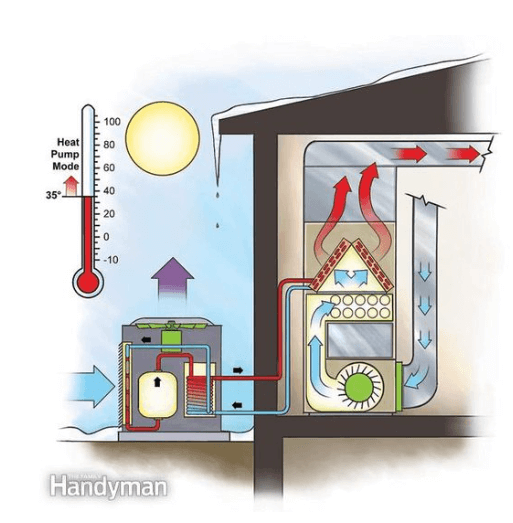
Propane heat pumps utilize propane as an energy source to transfer heat from the outside air into a building during winter or remove heat during summer. Unlike traditional propane furnaces that burn fuel directly to generate heat, these systems rely on the principles of thermodynamics to move heat efficiently.
The propane component typically powers a small combustion engine or auxiliary heating system that enhances performance in extremely cold temperatures. This combination allows propane heat pumps to maintain high efficiency even when outdoor temperatures drop below freezing, a challenge that many electric heat pumps face.
How Electric Heat Pumps Work
Electric heat pumps operate by transferring heat between the indoors and outdoors using a refrigerant cycle powered by electricity. During winter, they extract heat from the outside air (or ground in the case of geothermal systems) and deliver it inside. During summer, the process reverses to provide cooling.
Electric heat pumps are popular for their clean operation since they do not require combustion, which reduces carbon emissions when paired with renewable energy sources. Modern electric heat pumps are highly efficient in moderate climates and can reduce energy bills significantly compared to traditional electric resistance heating.
Energy Efficiency Comparison
When comparing propane heat pumps and electric heat pumps, energy efficiency is a key factor. Electric heat pumps generally have a higher coefficient of performance (COP), meaning they deliver more heat per unit of electricity consumed. For instance, many electric models can achieve a COP of 3 to 4, providing three to four units of heat for every unit of energy used.
Propane heat pumps may have a slightly lower COP because they rely on a combustion process for supplemental heating. However, in extremely cold climates, propane-assisted systems often outperform electric heat pumps, which can lose efficiency as outdoor temperatures plummet. This makes propane heat pumps more reliable in harsh winter conditions.
Environmental Impact
Electric heat pumps have a clear advantage when it comes to reducing greenhouse gas emissions, especially if the electricity comes from renewable sources such as wind or solar. They operate without burning fossil fuels, which helps lower the carbon footprint of heating and cooling.
On the other hand, propane heat pumps do rely on a fossil fuel, which produces carbon dioxide during combustion. However, propane is a cleaner-burning fuel compared to oil or coal, producing fewer pollutants. Additionally, propane heat pumps can be a practical transitional solution for regions where electricity grids are not fully renewable.
Installation Costs
Installation costs for heat pumps vary widely depending on system size, location, and infrastructure. Electric heat pumps are generally easier and cheaper to install in homes that already have an electrical system capable of supporting the unit. They also require less maintenance because there is no combustion process involved.
Propane heat pumps tend to have higher upfront costs. The system is more complex, often requiring additional components for propane storage and delivery. Maintenance can also be slightly more demanding due to the combustion aspect. However, these costs may be offset over time by the system’s reliability in colder climates and potential energy savings during peak winter months.
Operational Costs
Operational costs are another critical consideration. Electric heat pumps can be cheaper to run in areas with low electricity rates, particularly if paired with renewable energy. They also tend to have more predictable costs since electricity prices are relatively stable compared to propane.
For propane heat pumps, fuel costs can fluctuate depending on market conditions. However, in regions with very cold winters, propane heat pumps can maintain efficient heating without the need for expensive backup systems, potentially saving money compared to electric heat pumps that may require supplemental electric resistance heating.
Climate Suitability
Climate plays a major role in deciding between propane and electric heat pumps. Electric heat pumps work best in moderate climates where outdoor temperatures rarely drop below freezing. Cold-weather electric models have improved, but their efficiency still drops significantly in extreme cold.
Propane heat pumps, on the other hand, are better suited for areas with harsh winters. The propane component ensures that even during prolonged cold spells, your home remains comfortably heated. This makes them a preferred choice in northern regions or high-altitude locations where standard electric heat pumps struggle.
Maintenance and Longevity
Both types of heat pumps require regular maintenance to ensure optimal performance. Electric heat pumps have fewer moving parts and no combustion system, making them generally easier and cheaper to maintain. Routine checks typically include cleaning coils, inspecting refrigerant levels, and verifying electrical connections.
Propane heat pumps require additional maintenance related to the fuel system, including checking propane lines, burners, and any combustion components. When maintained properly, however, propane heat pumps can be very durable and reliable, especially in cold climates.
Noise Levels
Electric heat pumps are generally quieter than propane systems since there is no combustion involved. This can be an important consideration for homes in densely populated neighborhoods or for anyone sensitive to ambient noise.
Propane heat pumps may produce some combustion noise, though modern designs have significantly reduced this issue. Still, noise can be a factor to consider if your unit is installed near bedrooms or living areas.
Choosing the Right System
Deciding between a propane heat pump and an electric heat pump ultimately depends on several factors:
- Climate: Extremely cold regions favor propane heat pumps.
- Energy costs: Low electricity rates make electric heat pumps more attractive, whereas regions with affordable propane supply may benefit from propane systems.
- Environmental goals: Electric heat pumps paired with renewable energy are the greener option.
- Installation constraints: Electric heat pumps are generally easier to install in homes without existing propane infrastructure.
Conclusion
Both propane heat pumps and electric heat pumps offer compelling advantages depending on your circumstances. Electric heat pumps are highly efficient, environmentally friendly, and ideal for moderate climates. Propane heat pumps provide consistent performance in extreme cold, offering reliability and comfort where electric systems may struggle.
Homeowners should weigh installation costs, operational costs, environmental impact, and local climate when making a decision. In many cases, propane heat pumps are an excellent choice for regions with harsh winters or for those seeking a reliable, high-performance heating solution that complements their energy strategy. By carefully evaluating your specific needs, you can select the heat pump system that provides the best balance of efficiency, comfort, and cost-effectiveness.
If maximizing cold-weather reliability and efficiency is your priority, propane heat pumps are hard to beat. For a greener footprint and lower environmental impact, electric heat pumps remain a strong contender. Understanding these nuances ensures that your investment in a heat pump system delivers comfort and savings for years to come.