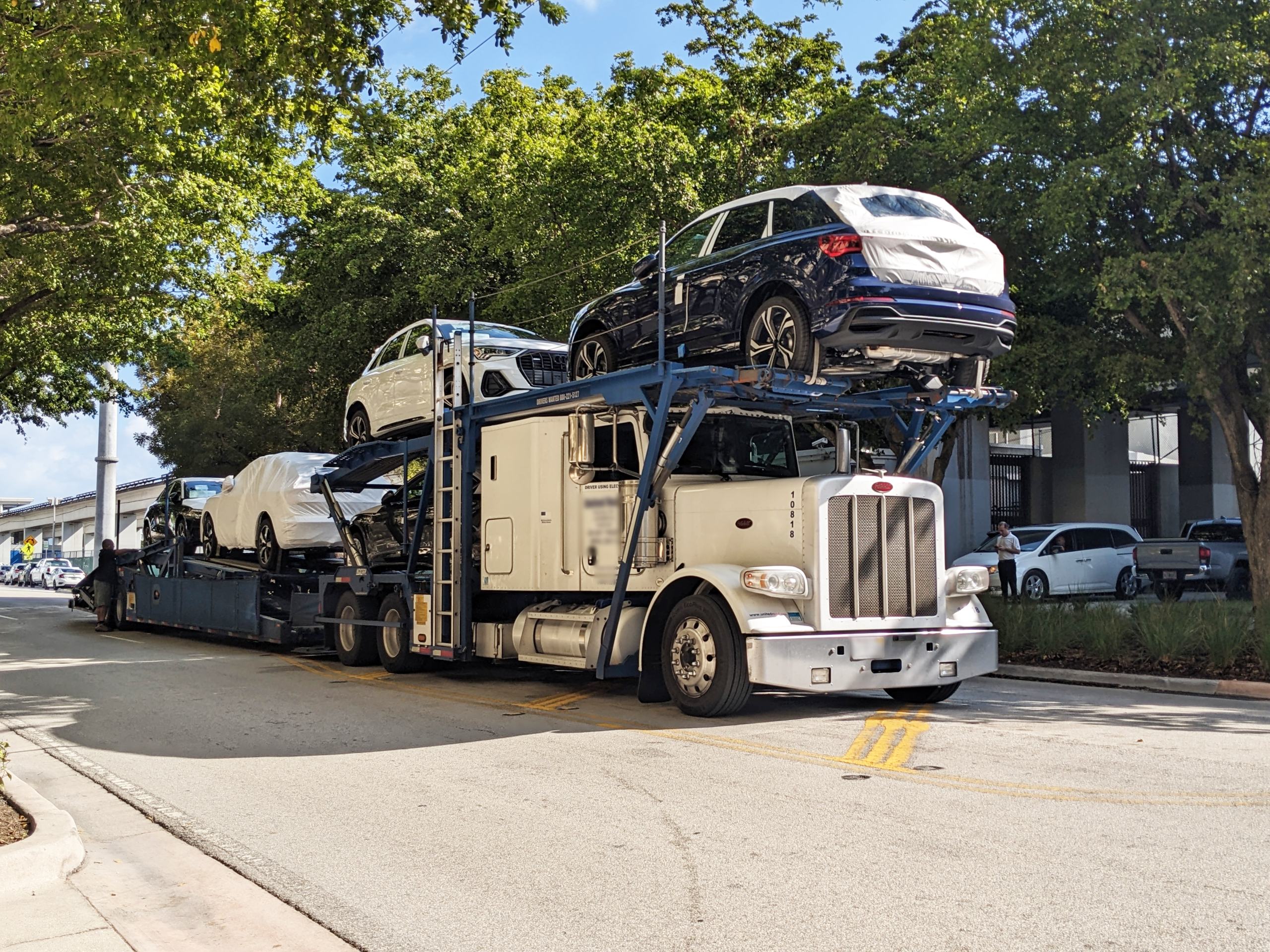
Door to Door Auto Transport vs. Terminal-to-Terminal: Pros and Cons
When it comes to shipping a vehicle, car owners are often faced with a critical decision: choosing between door to door auto transport and terminal-to-terminal shipping. Each method has its advantages and disadvantages, and the right choice depends on your priorities, budget, and convenience. Understanding the differences between these two options can save you time, money, and stress.
What Is Door to Door Auto Transport?
Door to door auto transport is a service where the vehicle is picked up from a specified location, usually your home or office, and delivered directly to your desired destination. This method eliminates the need for you to drive to a shipping terminal, making it highly convenient for those who value time and ease.
The process is simple: once you schedule the service, the transport company sends a driver to inspect and load your vehicle. Upon arrival at the destination, another inspection ensures the vehicle is delivered in the same condition. This personalized service is especially useful for individuals who may not have access to a terminal or prefer the vehicle to be handled as little as possible during transit.
Pros of Door to Door Auto Transport
- Convenience: The most obvious benefit is convenience. You don’t have to worry about driving to a terminal or arranging additional transportation for yourself after dropping off your vehicle. The car is picked up and delivered exactly where you need it.
- Time-Saving: Scheduling pickup and delivery at locations of your choice saves significant time. There is no need to drive long distances to a terminal, wait in lines, or coordinate with shuttle services.
- Flexibility in Scheduling: Many door-to-door services offer flexible scheduling options. You can often choose a pickup window that works with your personal timetable, which is particularly beneficial for busy professionals.
- Safety and Security: Since the vehicle spends less time in transit and is handled fewer times, there is a reduced risk of damage. Additionally, door-to-door services often have more personalized customer support and tracking systems, giving peace of mind.
Cons of Door to Door Auto Transport
- Higher Cost: The convenience of door-to-door service comes at a premium. This method is generally more expensive than terminal-to-terminal shipping due to the personalized nature of pickup and delivery.
- Accessibility Issues: In some cases, door-to-door service may not be feasible. Certain locations, like gated communities, rural areas, or regions with restricted access, may require additional fees or may not be serviced directly.
- Scheduling Limitations: While flexible, door-to-door services sometimes have longer transit times because carriers must adjust routes to pick up and deliver vehicles at specific locations.
What Is Terminal-to-Terminal Auto Transport?
Terminal-to-terminal shipping involves dropping off your vehicle at a shipping terminal and having it picked up at another terminal near your destination. Terminals are centralized locations where multiple vehicles are loaded onto carriers, which can optimize shipping routes and reduce costs.
This method is often used by budget-conscious customers who are comfortable with driving to a terminal and waiting for their vehicle at the destination. While it requires more effort from the car owner, it can be a cost-effective and reliable shipping solution.
Pros of Terminal-to-Terminal Auto Transport
- Lower Cost: Terminal-to-terminal shipping is generally more affordable than door-to-door transport. By consolidating multiple vehicles at centralized locations, carriers can optimize routes and reduce operational costs, which is reflected in the price.
- Efficient for Busy Routes: Terminals are usually located near major highways and cities, allowing carriers to plan efficient routes. This can sometimes result in faster delivery for high-traffic corridors.
- Ideal for Long-Distance Moves: If you are moving across states or across the country, terminal-to-terminal shipping can be an economical choice, especially if your destination is near a major terminal.
- Less Coordination Required from Carriers: Since vehicles are delivered to a fixed location, carriers don’t have to coordinate with multiple individual addresses, reducing the complexity of scheduling.
Cons of Terminal-to-Terminal Auto Transport
- Less Convenience: The biggest downside is the inconvenience to the vehicle owner. You need to drive to the terminal for pickup and drop-off, which may involve significant travel, time, and effort.
- Limited Flexibility: Terminals have fixed operating hours and locations, which may not align with your schedule. Missing a pickup window could delay delivery.
- Increased Handling Risk: Vehicles are loaded and unloaded multiple times, increasing the risk of minor scratches or dings, though professional carriers typically take precautions.
- Transportation to Terminals: Additional transportation may be needed if your home or final destination is far from the terminal. This can add to the total cost and complexity.
Comparing Costs: Door to Door vs. Terminal-to-Terminal
The cost difference between door to door auto transport and terminal-to-terminal shipping can vary significantly depending on distance, vehicle type, and season. On average, door-to-door transport can be 10% to 30% more expensive than terminal-to-terminal shipping due to the personalized service and route adjustments.
For example, transporting a standard sedan from Los Angeles to New York may cost around $1,000 via terminal-to-terminal, while door-to-door transport could range from $1,200 to $1,400. Luxury vehicles, oversized trucks, or remote locations can increase these costs further.
It’s important to consider both direct costs and indirect factors, such as the time and effort required to reach terminals, when making a decision.
Situations Where Door to Door Makes Sense
- When convenience is a top priority and you want your vehicle picked up and delivered directly at your locations.
- If you are moving to or from a rural area where terminals are far away.
- When shipping high-value or luxury vehicles where minimizing handling is critical.
- If you have a tight schedule and need precise delivery windows.
Situations Where Terminal-to-Terminal Makes Sense
- If you are budget-conscious and willing to drive your vehicle to a terminal.
- For long-distance or cross-country moves where terminal locations align with your route.
- When you want to take advantage of lower shipping costs by consolidating with other vehicles.
- If the vehicle can tolerate additional handling and you don’t require pickup at your doorstep.
Conclusion
Both door to door auto transport and terminal-to-terminal shipping have their distinct advantages and disadvantages. Door-to-door transport offers unmatched convenience, safety, and flexibility but comes at a higher price. Terminal-to-terminal shipping is cost-effective and efficient for long distances but requires more effort from the vehicle owner.
Ultimately, the choice depends on your priorities: if convenience, safety, and minimizing handling are essential, door-to-door auto transport is the ideal option. If cost savings and route efficiency matter more, terminal-to-terminal may be the better choice. By carefully weighing these factors, you can select a shipping method that best fits your needs and ensures your vehicle arrives safely at its destination.