How to Master the Gelatin Method: A Full Detailed Guide
Introduction to the Gelatin Method
The gelatin method is a highly versatile and widely used technique in cooking, baking, food science, and even molecular gastronomy. It is valued for its ability to create smooth textures, stabilize mixtures, and provide structure to both sweet and savory dishes. Understanding the gelatin method is essential for anyone who wants to master desserts like panna cotta, jelly, mousse, cheesecake, and aspic-based recipes.
At its core, the gelatin method involves dissolving gelatin in a liquid, activating it properly, and then incorporating it into a recipe so it sets into a firm or semi-firm structure. While it may sound simple, precision is key. Temperature control, hydration timing, and mixing technique all determine the final result .
In this comprehensive guide, we will explore the gelatin method in depth, breaking down its science, applications, and step-by-step process so you can confidently use it in any recipe.
Understanding the Science Behind Gelatin Method
To truly master the gelatin method, you need to understand what gelatin actually is. Gelatin is a protein derived from collagen, usually extracted from animal bones and connective tissues. When dissolved in warm liquid and then cooled, it forms a gel-like structure that traps water and creates firmness.
The gelatin method works through three stages:
First, gelatin is bloomed in cold water. This step allows the powder or sheets to absorb moisture and soften evenly.
Second, the bloomed gelatin is gently heated until it fully dissolves. This activates its gelling properties without damaging its structure.
Third, the mixture is cooled, allowing it to set into a stable gel.
Temperature plays a critical role. If gelatin is overheated, it loses its setting ability. If it is not fully dissolved, it creates lumps and uneven textures.
Types of Gelatin Used in the Gelatin Method
There are two main types of gelatin used in the gelatin method:
Powdered gelatin is the most common form. It is easy to measure and widely available. It must always be bloomed in cold water before use.
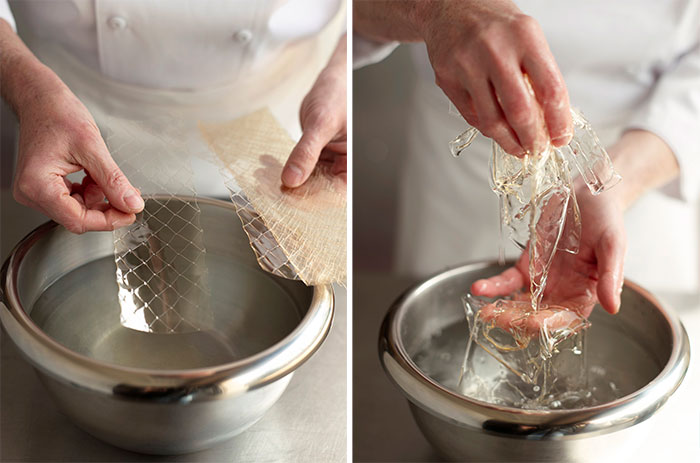
Sheet gelatin, also known as leaf gelatin, is often used in professional kitchens. It provides a cleaner texture and more consistent results. It is soaked in cold water until softened, then squeezed before dissolving.
Both types work effectively in the gelatin method, but sheet gelatin is often preferred for precision desserts.
Step-by-Step Gelatin Method Process
Mastering the gelatin method requires following a precise process. Here is a detailed breakdown:
Blooming the Gelatin
Start by sprinkling powdered gelatin over cold water. Let it sit for about 5 to 10 minutes. During this time, the gelatin absorbs water and swells into a soft, sponge-like texture. This step is essential because it ensures even dissolution later.
For sheet gelatin, soak the sheets in cold water until they become soft and flexible.
Dissolving the Gelatin
Once bloomed, gently heat the gelatin mixture. This can be done using a microwave in short bursts or by placing it over a warm water bath. The goal is to fully dissolve it without boiling.
Boiling is one of the most common mistakes in the gelatin method. High heat destroys the protein structure and prevents proper setting.
Incorporating Into Recipes
After dissolving, the gelatin must be quickly mixed into your main recipe. It is important to combine it evenly to avoid clumping. If the base mixture is too cold, gelatin may solidify instantly, creating uneven textures.
A good technique is to temper the gelatin by mixing it with a small amount of the base mixture before combining everything.
Setting the Mixture
Finally, pour the mixture into molds or containers and refrigerate. The gelatin method requires chilling time, usually between 2 to 6 hours depending on the recipe.
Avoid freezing, as it can break down the gelatin structure and cause separation when thawed.
Applications of the Gelatin Method in Cooking
The gelatin method is used in a wide variety of culinary applications.
In desserts, it is essential for creating panna cotta, jellies, marshmallows, and cheesecakes. It provides a smooth, creamy structure without the need for baking.
In savory dishes, the gelatin method is used in aspics, terrines, and meat jellies. It helps bind ingredients together while maintaining moisture and flavor.
In modern gastronomy, chefs use the gelatin method to create foams, gels, and layered textures that enhance presentation and dining experience.
Common Mistakes in the Gelatin Method
Even though the gelatin method is simple, many beginners make mistakes that affect the final result.
One common mistake is not blooming gelatin properly. This leads to clumps that never dissolve fully.
Another mistake is overheating the gelatin. Once boiled, gelatin loses its ability to set correctly.
Incorrect ratios are also a problem. Too much gelatin results in a rubbery texture, while too little causes weak or runny desserts.
Finally, improper mixing can lead to uneven setting, where some parts are firm while others remain liquid.
Tips for Perfecting the Gelatin Method
To achieve perfect results with the gelatin method, follow these expert tips:
Always measure gelatin accurately according to the recipe.
Use cold water for blooming to ensure even hydration.
Stir gently when dissolving to avoid air bubbles.
Mix quickly once gelatin is dissolved to prevent premature setting.
Allow sufficient refrigeration time for full structure development.
By following these practices, you can consistently achieve smooth and stable results in your dishes.
Advanced Uses of the Gelatin Method
Once you master the basics of the gelatin method, you can explore advanced culinary techniques.
One such technique is layering different flavored gelatin mixtures to create visually stunning desserts. Another is combining gelatin with cream or fruit purees for multi-textured dishes.
You can also experiment with adjusting gelatin strength to create soft gels, firm slices, or even melt-in-the-mouth textures depending on the application.
Professional chefs often use the gelatin method in molecular gastronomy to create spheres, sheets, and edible films that elevate modern cuisine.
Conclusion
The gelatin method is an essential technique in both home cooking and professional kitchens. It provides structure, stability, and creativity in a wide range of dishes. By understanding its science, mastering its steps, and avoiding common mistakes, you can achieve flawless results every time.
Whether you are making a simple dessert or experimenting with advanced culinary creations, the gelatin method gives you the tools to transform liquids into beautifully structured dishes. With practice and precision, it becomes one of the most powerful techniques in your cooking skillset.