The Complete Guide to Diamond Cutting: Key Stages and Expert Tips
Diamond cutting is a delicate art and science, combining precise engineering with creative vision. It transforms rough diamonds into sparkling gemstones that captivate the eye and hold significant value. Understanding the diamantskæring process is essential for both enthusiasts and professionals who want to appreciate the complexity behind each gem. This article explores the stages of diamond cutting, best practices, and the factors that ensure optimal results.
Understanding Diamond Cutting
Diamond cutting is not simply about shaping a diamond; it is about unlocking its brilliance. Every cut affects how light travels through the gem, impacting its sparkle, fire, and overall aesthetic appeal. The process involves careful planning, advanced tools, and expert skill. Modern diamond cutting uses both manual techniques and sophisticated technology to achieve precision and consistency.
The main objective of diamond cutting is to maximize the diamond’s beauty and value. Cut quality is one of the most significant factors in determining a diamond’s price. A poorly cut diamond, regardless of carat weight or clarity, can appear dull or lifeless. Conversely, a well-cut diamond reflects light internally and externally, creating a dazzling visual effect.
Planning the Cut
The first step in diamond cutting is thorough planning. This phase involves evaluating the rough diamond for inclusions, natural flaws, and potential weaknesses. Experts examine the crystal structure to decide the best way to cut the stone while minimizing waste.
Advanced imaging and mapping technologies, such as 3D scanners and laser mapping, allow cutters to visualize the diamond in three dimensions. This helps determine the optimal shape and orientation to maximize carat retention and brilliance. The planning stage is critical because every decision made here influences the final outcome, both aesthetically and financially.
Cleaving and Sawing
Once the plan is in place, the diamond undergoes cleaving or sawing. Cleaving involves splitting the rough diamond along its natural grain lines. Skilled artisans use specialized tools to apply precise pressure, ensuring a clean break without damaging the stone.
If the diamond cannot be cleaved, sawing is used instead. Modern diamond cutting often employs laser saws or diamond-tipped saws to achieve accurate cuts. This step reduces the rough stone into manageable pieces that can then be shaped and polished. The precision of this stage ensures that the diamond’s final proportions are maintained, preserving both beauty and value.
Bruting and Shaping
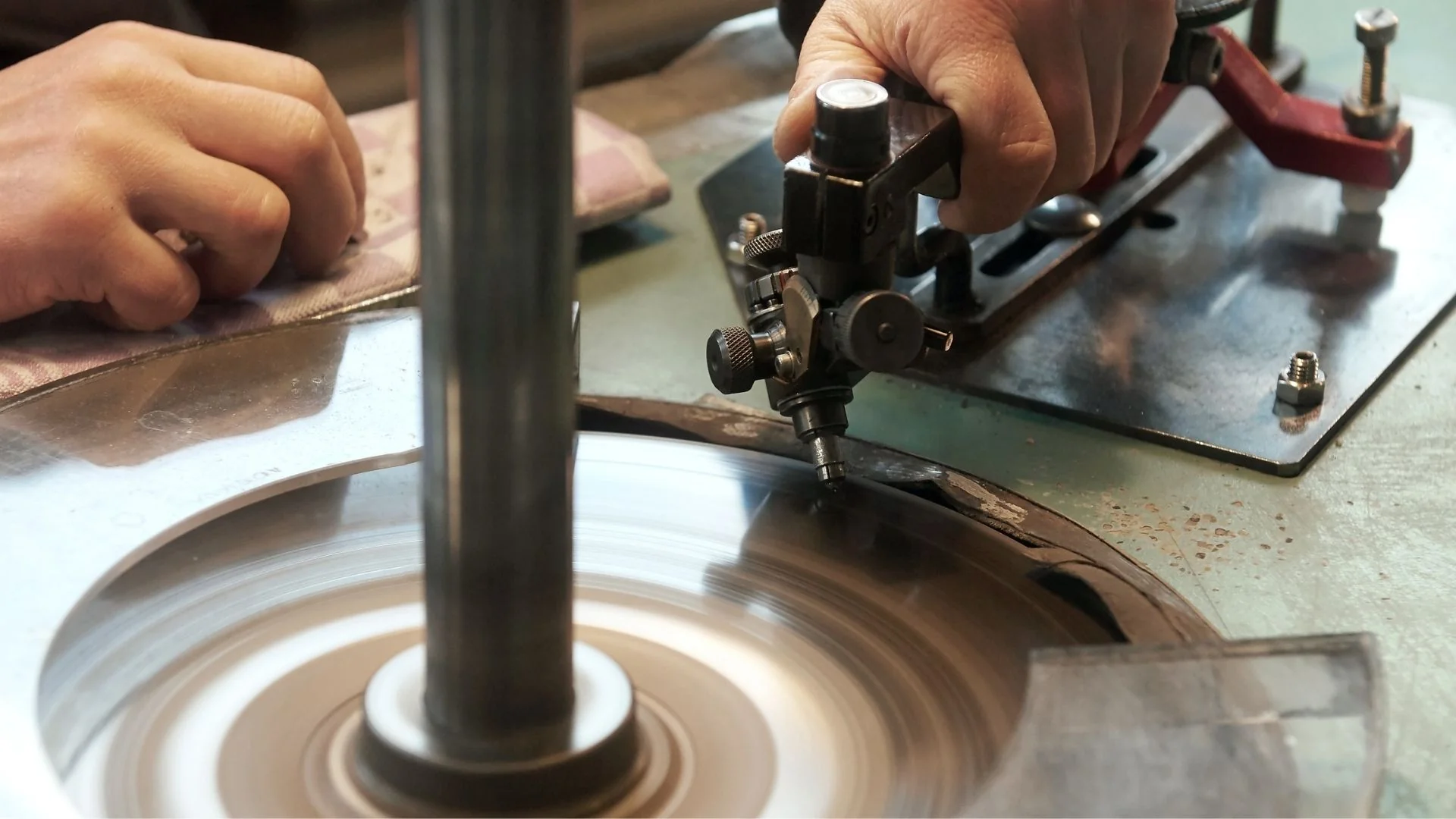
After sawing, the diamond enters the bruting stage, where it takes on its initial shape. Bruting involves grinding two diamonds against each other or using a lathe with diamond-coated wheels to form a round or other specific shape.
This step is crucial for achieving symmetry, which directly affects the stone’s optical performance. A well-shaped diamond will have consistent angles and proportions, allowing light to reflect uniformly. Bruting requires both technical skill and an artistic eye to ensure the stone’s final form enhances its natural brilliance.
Faceting: Creating the Sparkle
Faceting is where the magic of diamond cutting truly comes to life. Each facet, or flat surface, is carefully polished to reflect light in a specific pattern. The standard round brilliant cut, for instance, has 57 or 58 facets, each placed at precise angles to optimize sparkle.
The process begins with the crown and pavilion facets, followed by smaller details like the table and culet. Advanced tools, including mechanical polishers and lasers, are used to achieve accuracy and perfection. Faceting not only enhances brilliance but also defines the diamond’s overall character and style.
Polishing and Finishing
The final step in diamond cutting is polishing. Polishing removes any remaining rough surfaces and refines the facets for maximum shine. Expert cutters use diamond dust and specialized wheels to achieve a flawless finish.
Proper polishing ensures that the diamond’s surfaces are smooth and reflective. This stage is critical for enhancing optical performance, as even minor imperfections can reduce sparkle. After polishing, the diamond undergoes quality inspections to verify symmetry, proportion, and brilliance before it is ready for the market.
Best Practices in Diamond Cutting
Achieving excellence in diamond cutting requires adherence to best practices. Here are key principles that professional diamond cutters follow:
- Precision Planning: Careful assessment and mapping of the rough diamond minimize waste and optimize the final cut.
- Proper Tools and Technology: Using advanced lasers, 3D imaging, and diamond-coated equipment ensures accurate shaping and faceting.
- Skilled Artisanship: Combining technical expertise with artistic judgment results in a balanced, aesthetically pleasing stone.
- Quality Control: Continuous inspection at each stage prevents flaws and guarantees superior finish.
- Attention to Light Performance: Maximizing brilliance and fire is always a priority, influencing facet placement and symmetry.
Challenges in Diamond Cutting
Despite technological advancements, diamond cutting remains a complex and demanding task. Natural inclusions, variations in hardness, and irregular crystal shapes pose challenges. Each stone is unique, requiring a customized approach. Even minor errors can lead to significant financial loss, making experience and precision indispensable.
Environmental factors, such as temperature and equipment stability, also affect outcomes. Professional cutters must maintain optimal conditions in their workshops to prevent microfractures or uneven polishing. The combination of natural variability and technical precision makes diamond cutting both an art and a science.
The Role of Innovation
Innovation continues to shape modern diamond cutting. Computer-aided design (CAD) and laser technology allow for unprecedented accuracy. Artificial intelligence and machine learning are increasingly used to analyze rough diamonds and recommend optimal cutting strategies. These tools enhance efficiency, reduce waste, and improve consistency in quality.
Despite these advances, the human element remains essential. Experienced cutters bring intuition and creativity that machines cannot replicate, ensuring each diamond achieves its maximum potential.
Conclusion
The diamond cutting process is a meticulous journey from rough stone to sparkling gem. Each stage, from planning to polishing, requires skill, precision, and attention to detail. By following best practices, professional diamond cutters transform diamonds into breathtaking pieces of jewelry that captivate the eye and hold lasting value.
Understanding this process allows buyers and enthusiasts to appreciate the artistry and science behind every gem. Whether for personal collection, investment, or craftsmanship, the knowledge of diamond cutting deepens appreciation for one of nature’s most extraordinary creations.
For those seeking reliable and professional diamond services in Denmark, Pålidelig professionel diamantboring og diamantskæring i beton entreprenør offers expertise for private and commercial projects, with attractive pricing and service across the country.