Home Solar Panel Costs Explained: Factors That Impact Your Investment
Understanding Home Solar Panel Price in Today’s Market
The demand for renewable energy has increased significantly over the past decade, and solar energy has become one of the most popular choices for homeowners. When people begin researching solar energy systems, the first question that usually comes up is the
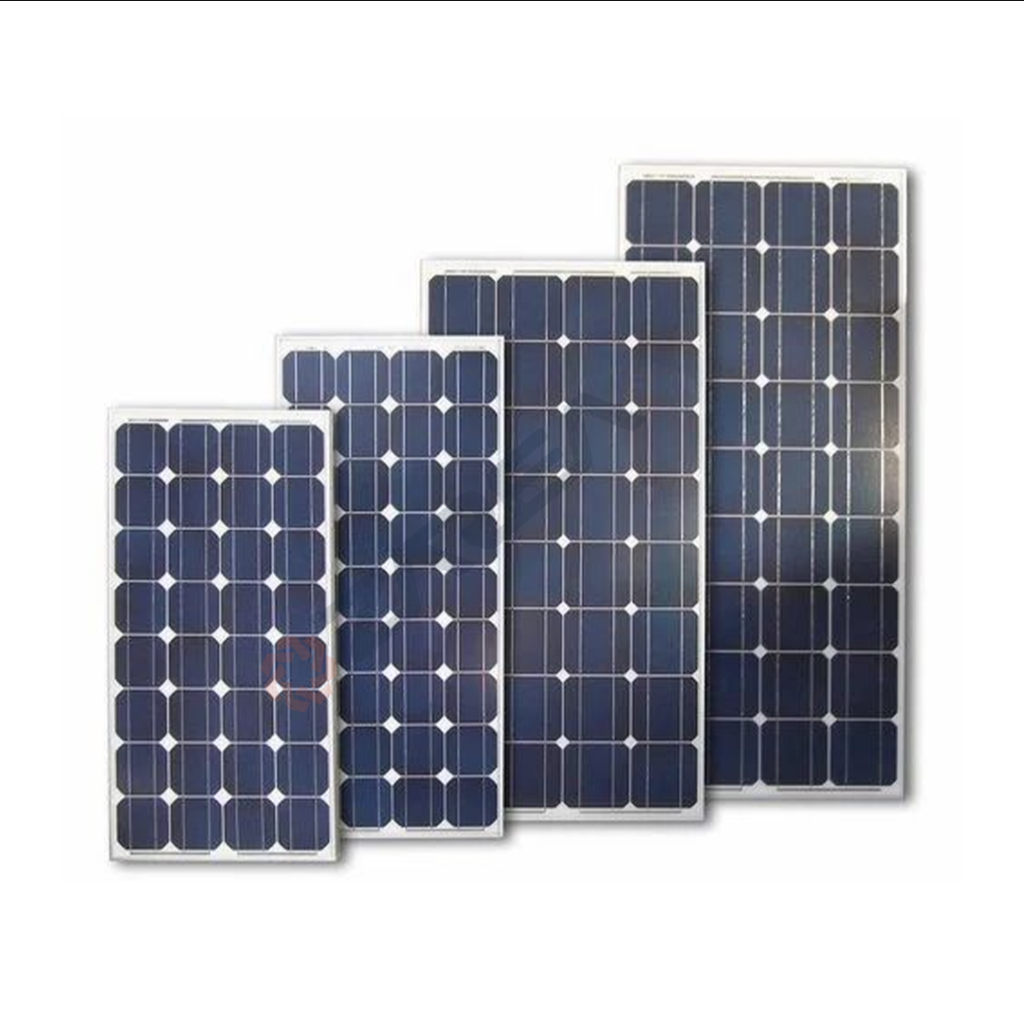
. This cost can vary widely depending on several technical, geographical, and financial factors.
A home solar system is not a one-size-fits-all product. It is a customized energy solution designed based on household electricity needs, roof size, sunlight exposure, and equipment quality. Because of this customization, the Home solar panel price can range from relatively affordable systems for small homes to more expensive installations for larger properties with high energy demands.
Understanding what goes into pricing helps homeowners make smarter investment decisions and avoid overpaying for unnecessary features or underestimating long-term value.
System Size and Energy Requirements
One of the most important factors influencing Home solar panel price is the size of the system you need. Solar systems are measured in kilowatts (kW), and the larger the system, the higher the cost.
A small household with minimal electricity usage may only require a 3kW to 5kW system. In contrast, a larger family home with air conditioning, multiple appliances, and higher consumption might need an 8kW to 12kW system or even more.
The more panels required, the higher the material and installation cost. However, a larger system also produces more electricity, which can significantly reduce monthly utility bills. In many cases, homeowners view this as a long-term investment where the initial Home solar panel price is offset by decades of energy savings.
Quality of Solar Panels and Equipment
Not all solar panels are created equal. The brand, efficiency rating, and durability of the panels play a major role in determining the overall Home solar panel price.
High-efficiency panels generate more electricity in less space, making them ideal for homes with limited roof area. These panels tend to be more expensive but provide better long-term performance. On the other hand, standard panels are more affordable but may require more roof space to produce the same amount of energy.
In addition to panels, other components such as inverters, mounting systems, and batteries also affect pricing. A premium inverter ensures better energy conversion and system reliability, while advanced lithium-ion batteries allow energy storage for nighttime or backup use. Each of these upgrades adds to the total Home solar panel price but improves system performance and independence from the grid.
Installation Complexity and Roof Conditions
Installation is another key factor that influences Home solar panel price. A simple, flat, and accessible roof will cost less to install compared to a complex roof with multiple angles, shading issues, or structural limitations.
Labor costs can increase if installers need specialized equipment or additional safety measures. For example, homes with steep roofs or older structures may require reinforcement before installation, increasing overall costs.
Shading from trees, nearby buildings, or architectural features can also affect placement. In such cases, installers may need to design a more complex layout or use micro-inverters, which can further increase the Home solar panel price.
Location and Sunlight Availability
Geographic location plays an important role in determining solar investment value. Areas with high sunlight exposure generate more electricity, which increases system efficiency and return on investment.
In regions with less consistent sunlight, homeowners may need larger systems or battery storage to achieve similar energy output. This directly impacts the Home solar panel price, as more equipment is required to maintain efficiency.
Local regulations, permit fees, and incentives also vary by region. Some areas offer tax credits, rebates, or net metering programs that significantly reduce the effective cost of installation. These incentives can make solar energy much more affordable in the long run.
Battery Storage and Energy Independence
Modern solar systems often include battery storage, allowing homeowners to store excess energy for later use. While this is optional, it greatly increases energy independence and reliability during power outages.
Adding batteries can significantly raise the Home solar panel price, sometimes by 20% to 40% depending on capacity and brand. However, many homeowners consider it a valuable addition, especially in areas with unstable electricity supply or high nighttime energy usage.
Battery systems also help maximize self-consumption of solar energy, reducing dependence on the grid and lowering electricity bills even further.
Government Incentives and Financing Options
Government policies can greatly influence the final Home solar panel price. Many countries offer subsidies, tax credits, or rebates to encourage solar adoption. These incentives can reduce upfront costs and shorten the payback period.
Financing options such as solar loans, leasing programs, or power purchase agreements (PPAs) also make solar systems more accessible. Instead of paying the full Home solar panel price upfront, homeowners can spread payments over several years while still benefiting from reduced electricity bills.
Understanding available incentives is crucial because they can significantly change the overall affordability of a solar investment.
Long-Term Savings and Return on Investment
Although the initial Home solar panel price may seem high, solar systems are designed for long-term financial benefits. Most systems last 25 years or more, and during this time, homeowners can save a substantial amount on electricity bills.
The return on investment depends on factors such as energy consumption, system efficiency, electricity rates, and local sunlight conditions. In many cases, homeowners recover their initial investment within 5 to 10 years and enjoy free or low-cost electricity for the remaining lifespan of the system.
This long-term perspective is essential when evaluating the true value behind the Home solar panel price.
Maintenance Costs and System Lifespan
Solar panels require very little maintenance, which adds to their appeal. Occasional cleaning and routine inspections are usually sufficient to keep the system running efficiently.
However, components like inverters may need replacement after 10 to 15 years. These future maintenance costs should be considered when calculating the overall Home solar panel price and long-term investment value.
Despite minimal maintenance requirements, proper care ensures maximum efficiency and extends system lifespan, improving overall returns.
Choosing the Right Solar Provider
Selecting a reliable solar installer is just as important as choosing the equipment. A professional installer ensures proper system design, efficient installation, and long-term performance.
Experienced providers also help customers understand warranties, financing options, and available incentives, which can significantly affect the final Home solar panel price.
Comparing multiple quotes and reviewing customer feedback can help homeowners make informed decisions and avoid low-quality installations that may cost more in the long run.
Conclusion: Making an Informed Solar Investment
The Home solar panel price is influenced by many interconnected factors, including system size, equipment quality, installation complexity, location, and government incentives. While the upfront cost may seem significant, the long-term financial and environmental benefits make solar energy a highly attractive investment.
By understanding these pricing factors, homeowners can better evaluate their options and choose a system that balances affordability, performance, and long-term savings. Solar energy is not just an expense—it is a strategic investment in energy independence and sustainability for the future.
Understanding Home Solar Panel Price in Today’s Market
The demand for renewable energy has increased significantly over the past decade, and solar energy has become one of the most popular choices for homeowners. When people begin researching solar energy systems, the first question that usually comes up is the
. This cost can vary widely depending on several technical, geographical, and financial factors.
A home solar system is not a one-size-fits-all product. It is a customized energy solution designed based on household electricity needs, roof size, sunlight exposure, and equipment quality. Because of this customization, the Home solar panel price can range from relatively affordable systems for small homes to more expensive installations for larger properties with high energy demands.
Understanding what goes into pricing helps homeowners make smarter investment decisions and avoid overpaying for unnecessary features or underestimating long-term value.
System Size and Energy Requirements
One of the most important factors influencing Home solar panel price is the size of the system you need. Solar systems are measured in kilowatts (kW), and the larger the system, the higher the cost.
A small household with minimal electricity usage may only require a 3kW to 5kW system. In contrast, a larger family home with air conditioning, multiple appliances, and higher consumption might need an 8kW to 12kW system or even more.
The more panels required, the higher the material and installation cost. However, a larger system also produces more electricity, which can significantly reduce monthly utility bills. In many cases, homeowners view this as a long-term investment where the initial Home solar panel price is offset by decades of energy savings.
Quality of Solar Panels and Equipment
Not all solar panels are created equal. The brand, efficiency rating, and durability of the panels play a major role in determining the overall Home solar panel price.
High-efficiency panels generate more electricity in less space, making them ideal for homes with limited roof area. These panels tend to be more expensive but provide better long-term performance. On the other hand, standard panels are more affordable but may require more roof space to produce the same amount of energy.
In addition to panels, other components such as inverters, mounting systems, and batteries also affect pricing. A premium inverter ensures better energy conversion and system reliability, while advanced lithium-ion batteries allow energy storage for nighttime or backup use. Each of these upgrades adds to the total Home solar panel price but improves system performance and independence from the grid.
Installation Complexity and Roof Conditions
Installation is another key factor that influences Home solar panel price. A simple, flat, and accessible roof will cost less to install compared to a complex roof with multiple angles, shading issues, or structural limitations.
Labor costs can increase if installers need specialized equipment or additional safety measures. For example, homes with steep roofs or older structures may require reinforcement before installation, increasing overall costs.
Shading from trees, nearby buildings, or architectural features can also affect placement. In such cases, installers may need to design a more complex layout or use micro-inverters, which can further increase the Home solar panel price.
Location and Sunlight Availability
Geographic location plays an important role in determining solar investment value. Areas with high sunlight exposure generate more electricity, which increases system efficiency and return on investment.
In regions with less consistent sunlight, homeowners may need larger systems or battery storage to achieve similar energy output. This directly impacts the Home solar panel price, as more equipment is required to maintain efficiency.
Local regulations, permit fees, and incentives also vary by region. Some areas offer tax credits, rebates, or net metering programs that significantly reduce the effective cost of installation. These incentives can make solar energy much more affordable in the long run.
Battery Storage and Energy Independence
Modern solar systems often include battery storage, allowing homeowners to store excess energy for later use. While this is optional, it greatly increases energy independence and reliability during power outages.
Adding batteries can significantly raise the Home solar panel price, sometimes by 20% to 40% depending on capacity and brand. However, many homeowners consider it a valuable addition, especially in areas with unstable electricity supply or high nighttime energy usage.
Battery systems also help maximize self-consumption of solar energy, reducing dependence on the grid and lowering electricity bills even further.
Government Incentives and Financing Options
Government policies can greatly influence the final Home solar panel price. Many countries offer subsidies, tax credits, or rebates to encourage solar adoption. These incentives can reduce upfront costs and shorten the payback period.
Financing options such as solar loans, leasing programs, or power purchase agreements (PPAs) also make solar systems more accessible. Instead of paying the full Home solar panel price upfront, homeowners can spread payments over several years while still benefiting from reduced electricity bills.
Understanding available incentives is crucial because they can significantly change the overall affordability of a solar investment.
Long-Term Savings and Return on Investment
Although the initial Home solar panel price may seem high, solar systems are designed for long-term financial benefits. Most systems last 25 years or more, and during this time, homeowners can save a substantial amount on electricity bills.
The return on investment depends on factors such as energy consumption, system efficiency, electricity rates, and local sunlight conditions. In many cases, homeowners recover their initial investment within 5 to 10 years and enjoy free or low-cost electricity for the remaining lifespan of the system.
This long-term perspective is essential when evaluating the true value behind the Home solar panel price.
Maintenance Costs and System Lifespan
Solar panels require very little maintenance, which adds to their appeal. Occasional cleaning and routine inspections are usually sufficient to keep the system running efficiently.
However, components like inverters may need replacement after 10 to 15 years. These future maintenance costs should be considered when calculating the overall Home solar panel price and long-term investment value.
Despite minimal maintenance requirements, proper care ensures maximum efficiency and extends system lifespan, improving overall returns.
Choosing the Right Solar Provider
Selecting a reliable solar installer is just as important as choosing the equipment. A professional installer ensures proper system design, efficient installation, and long-term performance.
Experienced providers also help customers understand warranties, financing options, and available incentives, which can significantly affect the final Home solar panel price.
Comparing multiple quotes and reviewing customer feedback can help homeowners make informed decisions and avoid low-quality installations that may cost more in the long run.
Conclusion: Making an Informed Solar Investment
The Home solar panel price is influenced by many interconnected factors, including system size, equipment quality, installation complexity, location, and government incentives. While the upfront cost may seem significant, the long-term financial and environmental benefits make solar energy a highly attractive investment.
By understanding these pricing factors, homeowners can better evaluate their options and choose a system that balances affordability, performance, and long-term savings. Solar energy is not just an expense—it is a strategic investment in energy independence and sustainability for the future.