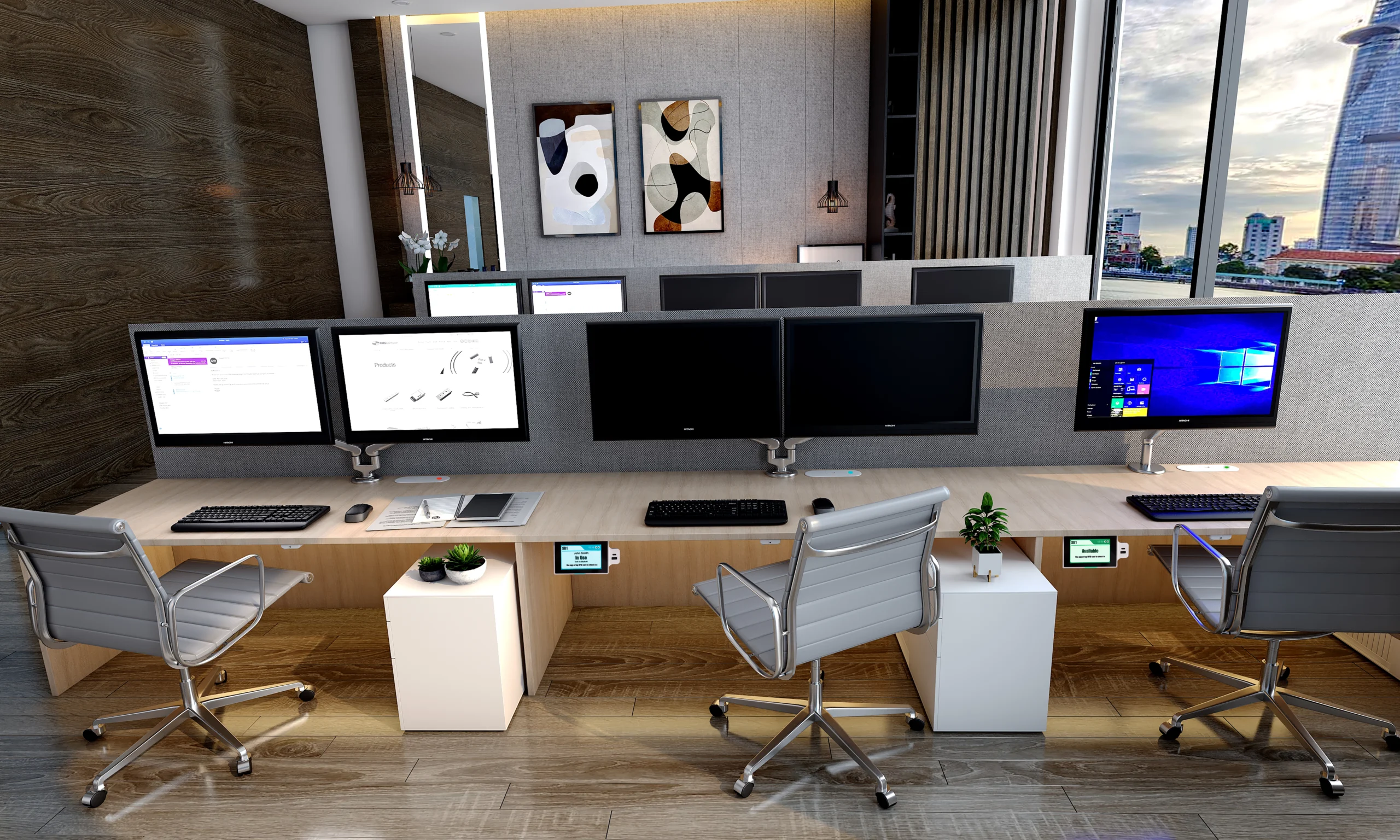
Smart Desk Display Features That Make Modern Workstations More Functional
Modern workstations are no longer limited to a desk, chair, computer, and a few accessories. As people spend more time working, studying, creating, and managing digital tasks from home or professional offices, the need for smarter workspace tools continues to grow. One device that fits naturally into this changing environment is the smart desk display. By combining useful information, visual customization, notifications, and workspace-friendly functionality, this type of display can make a desk more organized and engaging.
A well-designed display does more than show decorative graphics. It can provide quick access to information without requiring users to open another application or interrupt their primary task. From time and weather information to schedules, reminders, productivity indicators, and personalized visuals, the right display can become a practical part of a modern workstation.
What Makes a Desk Display Smart?
Traditional desk clocks and decorative screens typically perform one or two basic functions. A smart desk display, by comparison, is designed to provide a broader range of interactive or connected features. Depending on the model, it may connect with a smartphone, computer, wireless network, or dedicated application.
This connectivity allows users to customize what appears on the screen. Instead of relying on a fixed display, users may be able to switch between clocks, calendars, notifications, animations, pixel art, weather information, or other visual content.
The ability to personalize information is especially useful in work environments. A person can configure the display around their daily routine and keep frequently needed information visible at a glance.
Time and Date Information at a Glance
One of the simplest but most valuable features is an easily readable clock. When working at a computer, checking the time on a phone can create an unnecessary distraction. A dedicated desk display keeps the information visible without requiring users to switch windows or reach for another device.
A smart desk display can make time information more visually appealing while remaining functional. Users may choose different clock layouts, fonts, colors, or animations depending on the available customization options.
Date information can also be useful. Seeing the day and date directly on the desk can help professionals remember deadlines, meetings, appointments, and project milestones throughout the week.
Useful Information Without Opening Another App
The greatest advantage of an information-focused display is convenience. Instead of repeatedly checking multiple applications, users can place important details in a visible location.
For example, a workstation display might show the current time alongside the date and weather. Another configuration could prioritize calendar information or reminders. This small change can reduce the number of unnecessary interactions with a computer or smartphone.
Personalized Visual Content
Modern workstations often reflect individual personality and interests. A completely functional desk can feel uninspiring, while a personalized workspace can make long working sessions more enjoyable.
Many smart display concepts allow users to customize visual content. Digital artwork, pixel-style graphics, animations, icons, and themed layouts can transform a simple screen into a decorative element.
This is particularly attractive to designers, gamers, programmers, content creators, and technology enthusiasts. A display can complement the aesthetic of the workstation rather than looking like an unrelated piece of equipment.
Creating a More Engaging Workspace
Visual personalization can also influence the atmosphere of a workspace. A minimalist design may suit a professional office, while colorful digital art may work better in a creative studio or gaming setup.
The ability to change content also prevents the display from becoming visually repetitive. Users can update the screen according to their mood, season, project, or personal preferences.
Notifications and Reminders
Another useful feature is the ability to provide reminders. Important notifications can easily become buried beneath emails, messages, application windows, and browser tabs. A separate display can provide a simple visual reminder without taking over the main computer screen.
Depending on the device and software ecosystem, users may be able to display calendar events, task reminders, timers, or other alerts. This can be especially helpful during busy workdays when maintaining awareness of upcoming activities is important.
For example, someone preparing for a meeting could keep a reminder visible on the desk while continuing to work on a document. Similarly, students could use reminders to track study sessions, assignment deadlines, or breaks.
Weather and Environmental Information
Weather information may seem like a small feature, but it can be surprisingly convenient. Having current weather information available on the desk allows users to check outdoor conditions without opening a phone or browser.
This can be useful for people who work from home and need to plan errands, commutes, outdoor activities, or breaks. When combined with other information, weather can become part of a compact workstation dashboard.
Some displays may also support additional environmental information depending on their hardware or connected services. This can make them more useful as everyday information hubs rather than purely decorative screens.
Productivity-Focused Functions
A workstation should help users maintain focus, and smart displays can contribute to that goal. Timers, countdowns, reminders, and scheduling functions can support structured work sessions.
For example, a user can set a countdown for a focused work period and keep it visible throughout the session. This can help create a clear beginning and ending point for a task.
Break reminders can also support healthier work habits. Instead of relying entirely on memory, users can use visual cues to remind themselves to step away from the desk periodically.
Supporting Better Task Organization
Organization becomes easier when information is visible and accessible. A display positioned beside a monitor can function as a secondary information point, leaving the primary screen available for work.
This arrangement is particularly useful for people who frequently multitask. Instead of constantly switching between applications, they can dedicate the smaller display to secondary information.
Compact Design for Limited Desk Space
Desk space is often limited, particularly in home offices, bedrooms, dormitories, and compact work areas. A useful desk accessory should therefore provide functionality without occupying excessive space.
Compact smart displays can fit beside monitors, keyboards, speakers, or notebooks. Their small footprint makes them suitable for workstations where every part of the desk needs to serve a purpose.
Placement also matters. A display should ideally be positioned where information is easy to see without forcing the user to turn away from the main screen repeatedly.
Connectivity and Customization
Connectivity is one of the features that separates modern displays from traditional desk accessories. Wireless connections and companion applications can make customization more convenient.
Users may be able to select different layouts, upload visual content, adjust brightness, configure notifications, or change display settings through software. This makes the device adaptable to different situations.
For professionals, customization can focus on productivity. For creative users, visual content may be the priority. For gamers, animated graphics and themed designs may be more appealing.
Energy Efficiency and Everyday Convenience
A device that remains on a desk for many hours should be designed with practical energy use in mind. Automatic brightness adjustments, scheduling options, and sleep modes can help reduce unnecessary power consumption.
Convenience is equally important. A display should be simple enough to configure without requiring constant technical adjustments. Once the preferred layout is established, it should quietly provide useful information throughout the day.
Choosing the Right Features
Not every workstation needs the same type of display. Before choosing a smart desk display, users should consider what information they actually want to see.
A professional may prioritize calendars, clocks, and reminders. A creative worker may care more about digital artwork and customizable visuals. A student may prefer timers and scheduling information, while a technology enthusiast may want extensive customization and connected features.
Screen visibility, size, connectivity, software support, customization options, and placement should all be considered before making a decision.
The Future of Smarter Workstations
The modern workstation is becoming increasingly personalized and connected. Instead of relying on one large computer screen for everything, users are creating environments where different devices perform specialized roles.
A smart desk display fits naturally into this approach. It can provide secondary information, improve visual organization, add personality, and reduce the need to constantly interact with a phone or computer.
As desk technology continues to evolve, compact displays may become even more capable. Better connectivity, richer customization, improved information integration, and more intelligent automation could make these devices valuable components of everyday workspaces.
Conclusion
A modern workstation should combine productivity with convenience and personalization. The right smart desk display can contribute to all three by keeping useful information visible while adding an attractive digital element to the desk.
Features such as customizable clocks, calendars, reminders, weather information, timers, digital artwork, connectivity, and compact designs can make everyday desk routines more organized. Rather than being just another screen, a well-chosen display can become a practical secondary tool that supports the way people work.
As workspaces continue to become more digital and personalized, smart desk displays offer a simple way to make desks more functional without sacrificing style.